
The illusion of free-to-play games
An ethical study on transactions in video games.
Abstract
ㅤㅤVideo Games have been subjected to a lot of commercialization. Companies have implemented extra transactional items, ranging from cosmetics to loot boxes. These can have advantages to gameplay, or be purely aesthetic. Most players will either pass on purchasing or just buy a couple items. The most money generated from these games are from a small percentage of players, known as “Whales”. Ethical issues arise from targeting the players who may be vulnerable. The free-to-play genre has been shifting towards a more ‘free-to-download’ model, as companies have been heavily incentivizing purchases, and making it harder to play without spending money. Mobile games and gacha games are an example of this change, with many purchases shoved in the player’s face. Games are shifting from time and skill based to relying on transactions.
Evan Olds - Aspiring violinist.
Henry LaChance - Aspiring game developer.
Table of Contents
1. Introduction
2. Overview
- 2.1 Whales
- 2.2 Gambling
- 2.3 Pay-to-Win
- 2.4 Cosmetics
- 2.5 Incentivization Techniques
3. Conclusion
- 3.1 Discussion Questions and Activity
Learning Objectives
- Understand how free-to-play (F2P) monetization models psychologically influence player spending behavior.
- Identify ethical concerns surrounding microtransactions, loot boxes, and gacha mechanics.
- Identify how game design can create funnels for players to purchase microtransactions.
- Evaluate the difference between healthy game engagement and exploitative design aimed at vulnerable players.
- Explore the role of regulation, transparency, and player protection in modern game economies.
1. Introduction
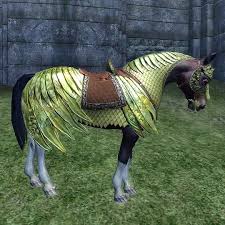
ㅤㅤWhen games began going free-to-play in the early 2000s, the first being Nexon’s QuizQuiz in 1999. The first game to include microtransactions was in The Elder Scrolls IV: Oblivion and it was horse armor that you could buy for $2.50. This game was not free-to-play. Already there was backlash against this, but little did gamers know what was about to come. The first major shift in this market I would argue comes from the release of Team Fortress 2, specifically an update adding loot boxes that you could open and sell the items for real money. Just a year later it went free-to-play, likely hoping to get more player count and make more profit. Grindy mobile games like Clash of Clans implemented gems to speed up progress. What might surprise you is that most of the money generated comes from a small percentage of players in these games.
2. Overview
ㅤㅤIn this segment we will be discussing relevant monetary aspects for how game developers generate revenue, through means of unethical practices like targeting, gambling and pay-to-win. We identified three main stakeholders in this situation, and gave a brief description of their correlation to the case study.
Go to stakeholder 1: Free-to-play players
Go to stakeholder 2: Paying players
Go to stakeholder 3: Game developers
2.1 Whales
ㅤㅤMost revenue generated through microtransactions in games come from a small percentage of players, known as whales. Whales are big. Whales can be wealthy people, streamers, or people who blow their paychecks. A lot of these microtransactions in games have hooks in them to encourage players to continue to not only play but to continue to make in-game purchases. The longer the players spend playing the game the more chance they have to spend money. This in turn hurts vulnerable players that have addictive tendencies, compulsion issues, and social pressure. “Whales share significant characteristics with addicted video gamers” (Dreier et al.).
ㅤㅤAnother interesting thing we found was how mobile game ads that are obviously not real games are made that way on purpose. They are made to engage with as many people as possible. Thus, increasing the odds that a person who tries to play the game is a whale. These advertisements often create fake puzzle-like scenarios where the player in the ad is making the wrong decision repeatedly, in an attempt to obtain players with their thought being ‘I could do that’. “Our findings suggest the potential implications of advertisers targeting a vulnerable public” (Tham and Perreault).
2.2 Gambling
ㅤㅤOne of the largest components of microtransactions in video games are lootboxes, they generate hundreds of millions even billions of dollars each year. They mimic casinos shamelessly, and they do not have regulations that stop children from using them. This is a large problem because they are young, impressionable and can become addicted. I have personal experience with this in CSGO. “The loot-box design of video games has been linked to gambling addictions” (Tham and Perreault).
ㅤㅤFortunately countries like Belgium and Japan have regulations targeting Gacha games, and loot boxes. Companies like Valve, who own Steam, CSGO/CS2, and TF2 have avoided these regulations by changing how opening the loot boxes function. For example CSGO implemented the use of an “x-ray” tool to see inside lootboxes, but you are required to buy the x-ray tool, so it functions the same as opening a lootbox but without the obvious casino spin element, thus getting around regulations.
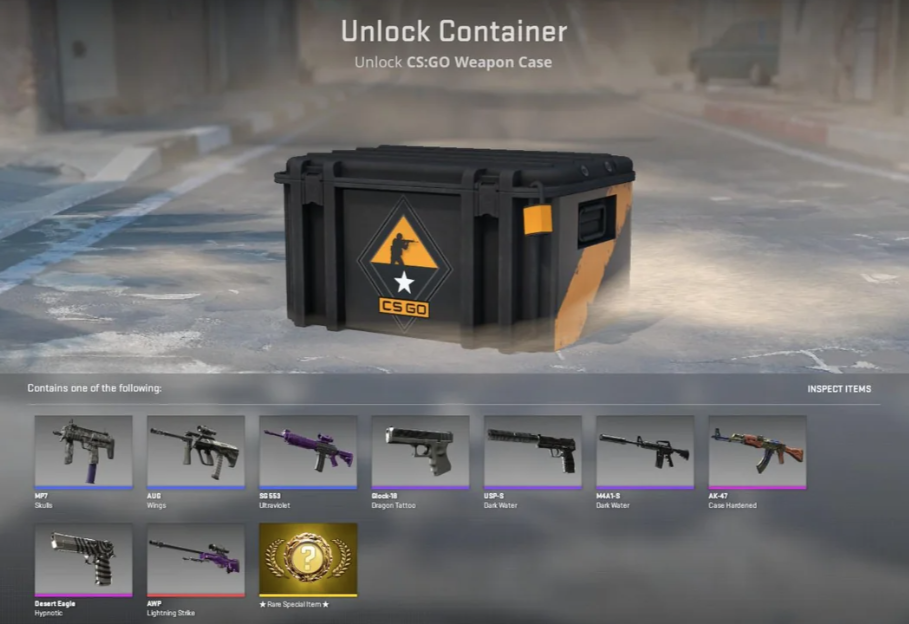
ㅤㅤThese unboxed items can be traded amongst players, adding real value to them. There are 3rd party websites that take the items in exchange for real money, and crypto. There are also 3rd party gambling websites that use these items as currency, alongside crypto. This allows for children to buy these items on steam, and then trade them onto these websites and gamble. These websites have little protection for minors, they have check boxes for asking if you’re at least 21, and these are easily bypassable.
2.3 Pay-to-Win
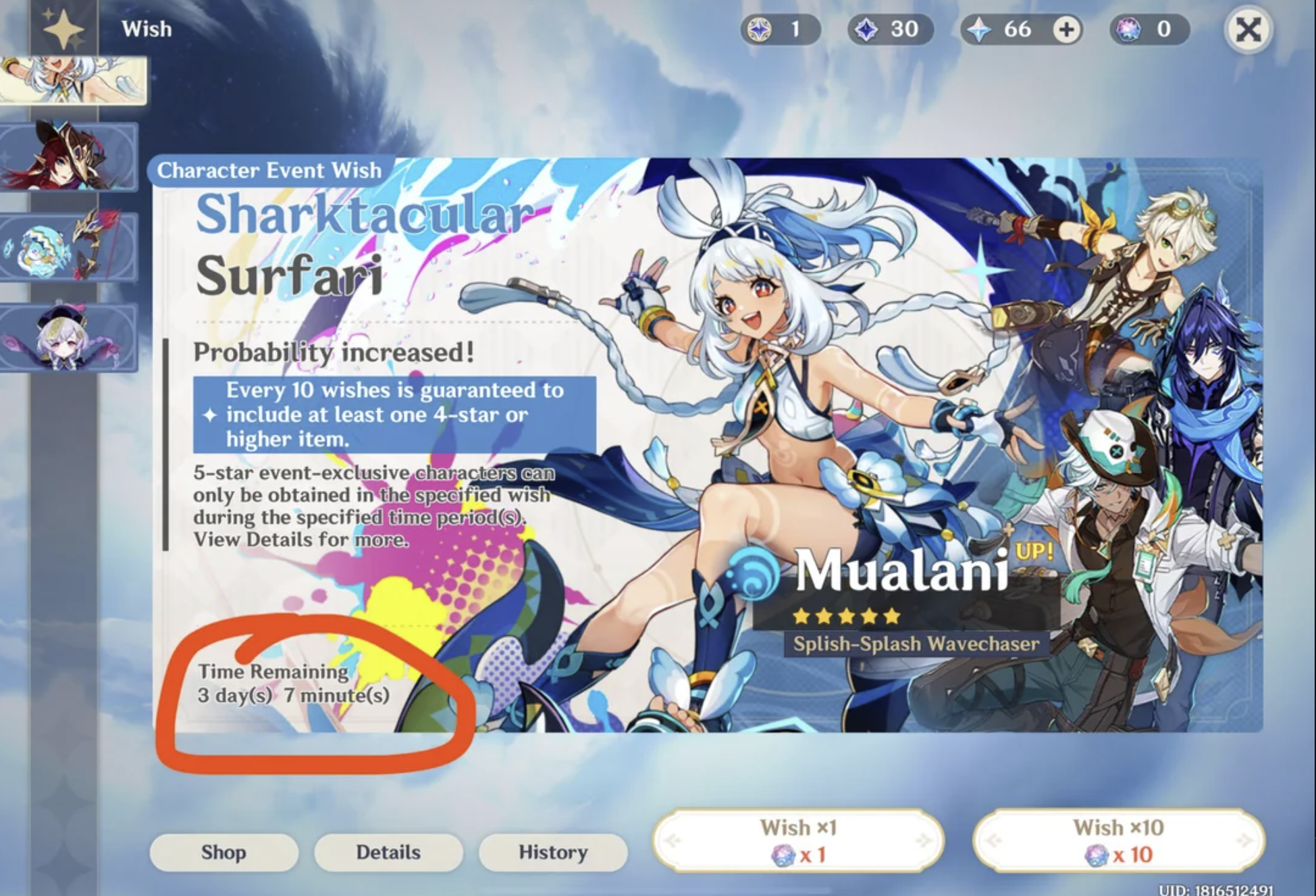
ㅤㅤㅤㅤGacha games are a big pay-to-win genre in gaming, where players spend money to roll for a character or item. Gacha games heavily play into the “free-to-download” trend, as they have been slowly getting harder to play without making purchases. Most of these games make characters hard to obtain without paying, and heavily buff characters when you spend more to get the character multiple times. This targets players that aren’t patient and might get annoyed easily. In an article by Michael Dreier, he says that “Unsatisfying moments, which would have led gamers of traditional video games to quit or change the game, are now designed essentials of the game.” (Dreier et al.) If they mess up or struggle, they might just spend money in an attempt to get better characters. A lot of times, the money spent doesn’t equate to anything, and you need to spend a lot before something is guaranteed. If you have already spent money, then spending a bit more to ensure your purchase was worthwhile isn’t that hard to convince yourself to do.
ㅤㅤOther examples of pay-to-win features can be seen in games like clash of clans, where paying speeds up time and reduces the amount of time you have to wait. Purchasing gems allows you to instantly produce something that otherwise may have taken weeks. Many players see this is way too long of a wait, and feel a need to spend gems to rush it. This type of game is often seen as an idle-game, where you can only spend so much time in the game actually making meaningful progress. These types of games capitalize on you playing a tiny bit every day, slowly habitualizing the game into your routine. This ends up making the game seem important enough to you that spending money wouldn’t be so bad. Dreier also states that “The capability of solving problematic in-game situations by spending money might be linked to the coping mechanisms of vulnerable free-to-play gamers” (Dreier et al.). This shows that gamers who might be playing games as an escape from a stressful life are targeted by letting them have an easier experience with the game if they spend money.
2.4 Cosmetics
ㅤㅤGames like Fortnite introduce battle passes which have limited time items that players can buy. These items can make people feel like they’re missing out and increase sales because of their perceived limited quantity. Ethical issues from these cosmetics might seem harmless, yet their sales strategies intentionally exploit psychological triggers. Think of all the offers you have seen from stores where they say it’s limited time and ending soon, it makes you stressed about making a decision now rather than thinking about it. You end up leaning towards purchasing so you don’t miss the deal and regret it later.
ㅤㅤSome game’s cosmetics have become marketable on 3rd party sites allowing for real money to be obtained through selling and gambling these items. “Recently, online marketplace data was used to establish that these in-game items have real world value, and could therefore be regulated under existing gambling regulations in some jurisdictions” (Drummond et al., 2020). This changes the perception of cosmetics from being purely aesthetic to a crypto like commodity.
2.5 Incentivization Techniques
ㅤㅤOne of the most prevalent techniques in games is to constantly bombard players with advertisements on their screen. Many games constantly ask you about purchases or will have purchase options shown on a screen that you see often. In many ads nowadays, after you watch a video about a game, it auto directs you to the download screen. This is an example of this technique, making it easy for players to purchase by reducing how much work they have to do in order to make the purchase.
ㅤㅤAnother technique games use in free-to-play games specifically is to gain players’ addiction. These games don’t cost anything to download, so there is low commitment to keep playing, but once players make a purchase, they feel inclined to keep playing. Dreier says that monetization strategies “increase the gamer’s commitment towards the game and therefore might be fostering the risk for an addictive use in the long run” (Dreier et al.) Once a player has made a purchase, they will likely commit to playing more, and also very likely spend more money.
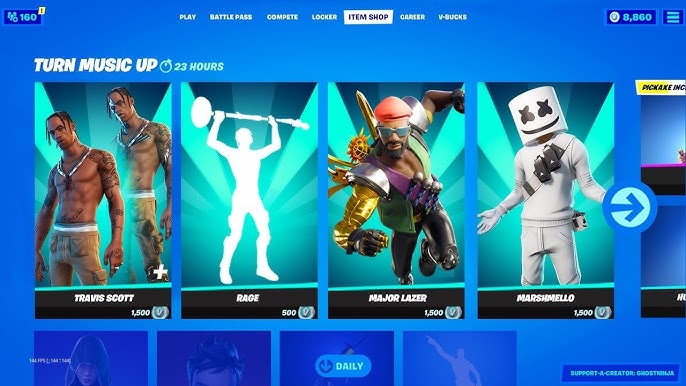
ㅤㅤGames often have many different customization options for cosmetics, allowing for a vast amount of combinations. This in turn increases things that players can spend money on, like paint, stickers, keychains, or hats. This is a business technique called bundling, where purchases are often associated with similar products, so you are incentivized to buy multiple things.
3. Conclusion
ㅤㅤFree-to-play games often include seemingly optional microtransactions. The ethical issues are not merely from microtransactions, but in how they are embedded into the gameplay. These microtransactions are pushed onto players through pay-to-win mechanics, curated scarcity through limited time offers, and gambling like elements. Most of the generated revenue comes from whales, who tend to be more susceptible to these purchases with the way they are presented.
ㅤㅤIt is important to consider regulations on microtransactions in video games. There are many predatory tactics for making money in the game industry. The illusion of free-to-play masks a system that increasingly relies on psychological pressure rather than informed choice. While regulation has begun to address some aspects of loot boxes and gacha mechanics, legality alone is insufficient. Game designers need to implement ethical designs for player well-being, transparency, and the protection of vulnerable players. Without safeguards, free-to-play risks become less about accessibility and more about extracting value from those least equipped to resist it.
ㅤㅤHere are some possible implementations games could use for more ethical monetization.
- Including age verification for gambling elements, which is required in real life gambling anyways.
- Limit spending, such as daily limits, which steam already has implemented.
- Reward time spent playing more. Clash of clans has actually done this in recent updates, rewarding more time spent playing, and reducing the amount of time spent waiting.
- Think about who is being targeted, and making sure they aren’t a vulnerable audience, such as children.
3.1 Discussion Questions and Activity
How legally liable should game developers and companies be with how they handle gambling elements, with not limiting minors, or addicts.
How much responsibility is on the players to be financially responsible, and not on the developers for exploitative design?
What ethical obligations do game companies have when implementing monetization strategies?
How can developers balance their need for profit with players’ desires for transparency and a fair game?
After answering these questions, here is an activity to help think about microtransactions in relation to games you’ve played. Go to activity page